A Quiet Life in the Carpathian Mountains

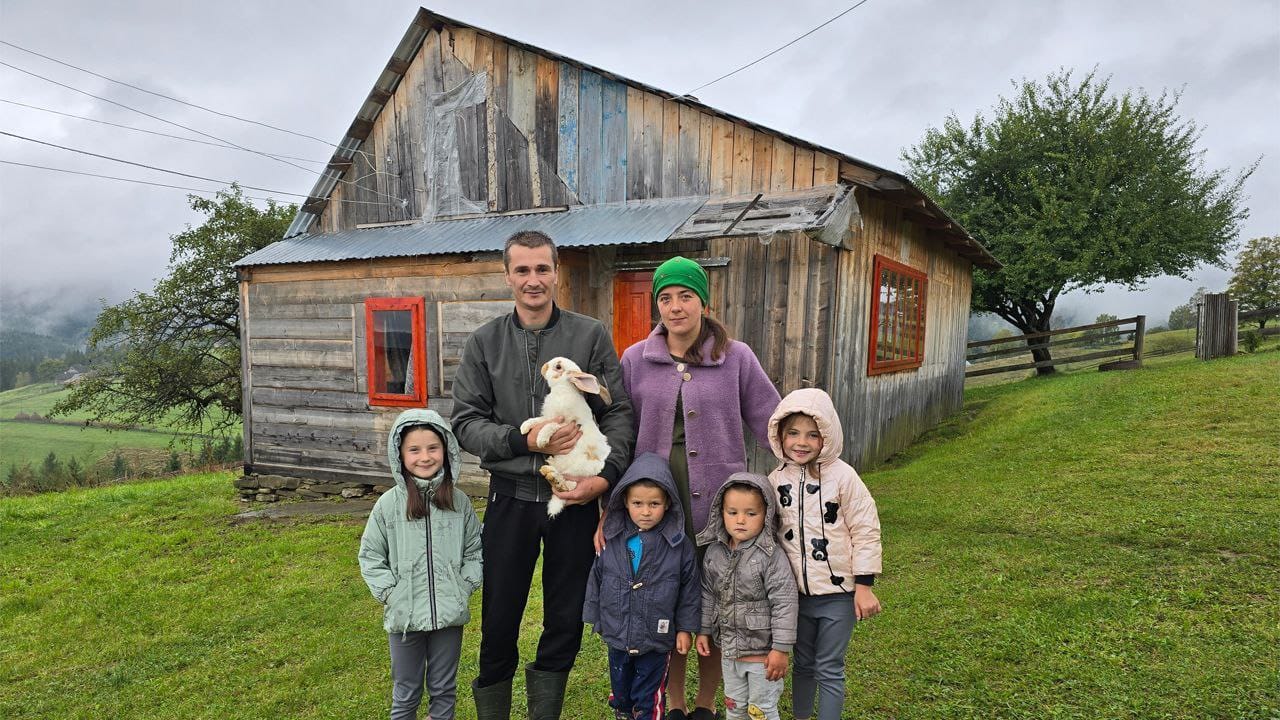
There are places where silence is not something you seek, but something you inherit.
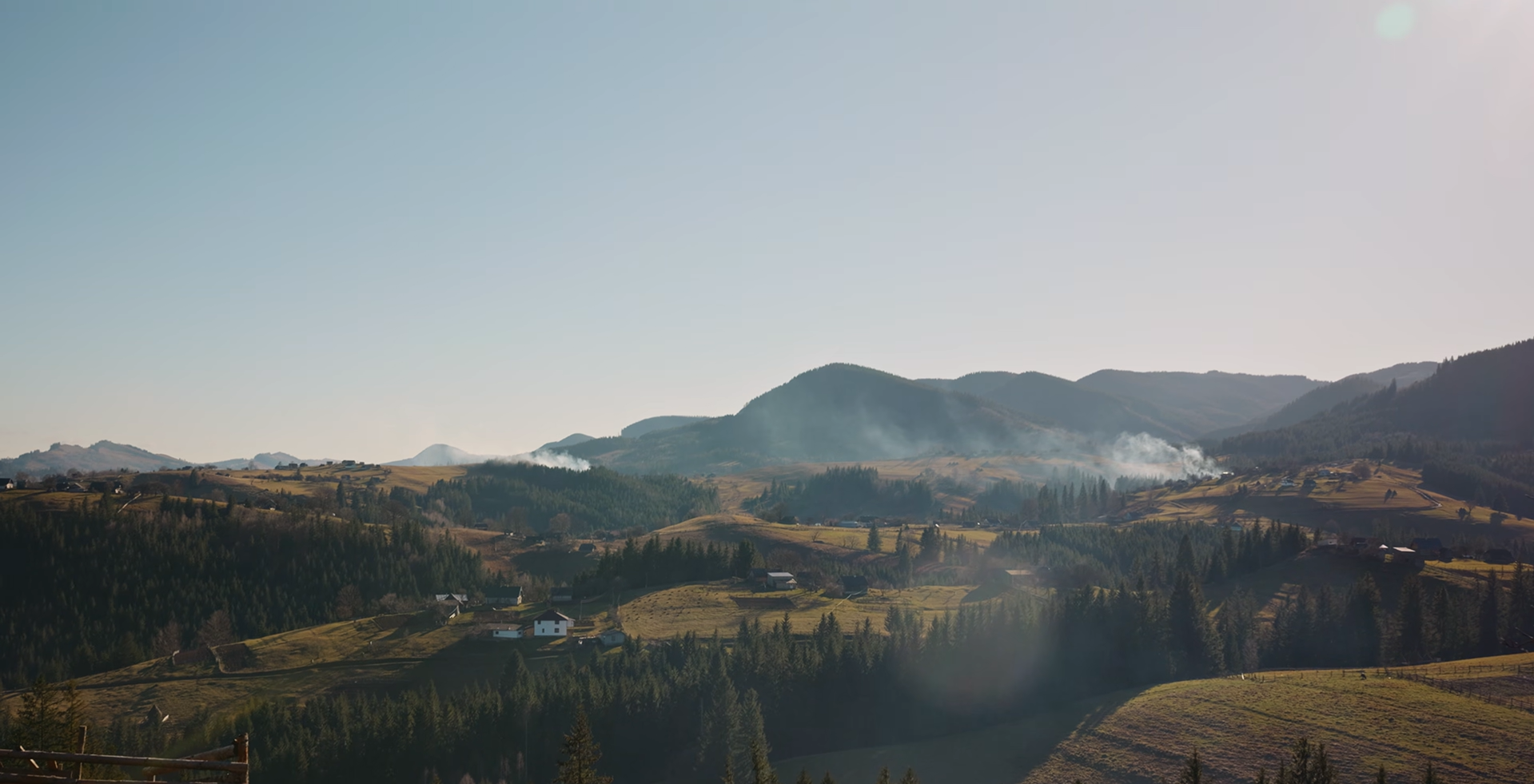
The village of Samakova lies high in the Carpathian Mountains, where homes are scattered across slopes and forests rather than gathered along streets. From one yard, another house may be visible only as a faint shape between trees. Distance here is not measured in minutes, but in effort. Paths connect people more often than roads, and in winter those paths are softened, hidden, or erased entirely by snow.
This is where Sveta and Dima live with their five children. Not as an experiment. Not as a retreat from modern life. Simply because this is where their life has always been.
A Home Shaped by Use, Not Design
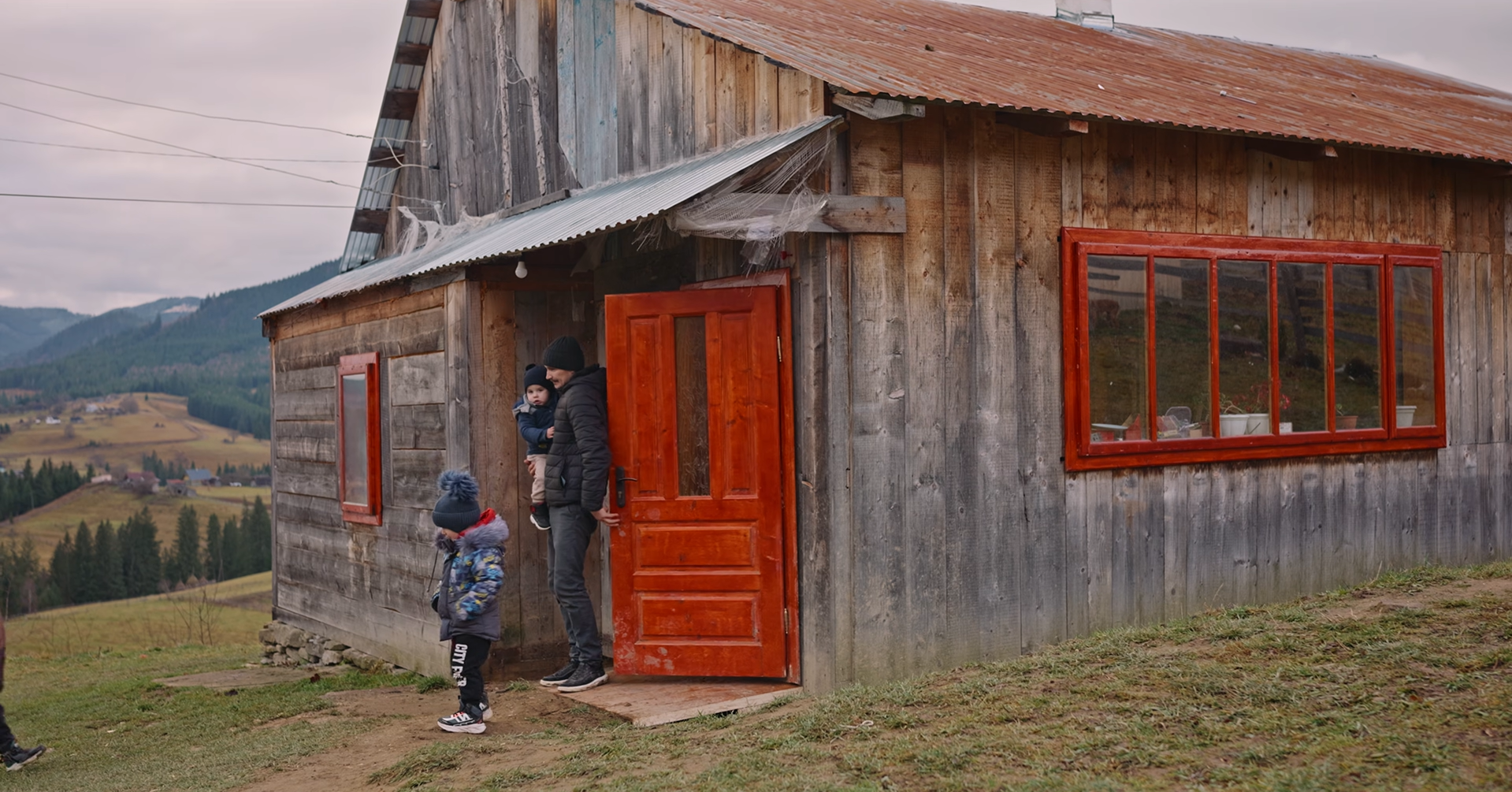
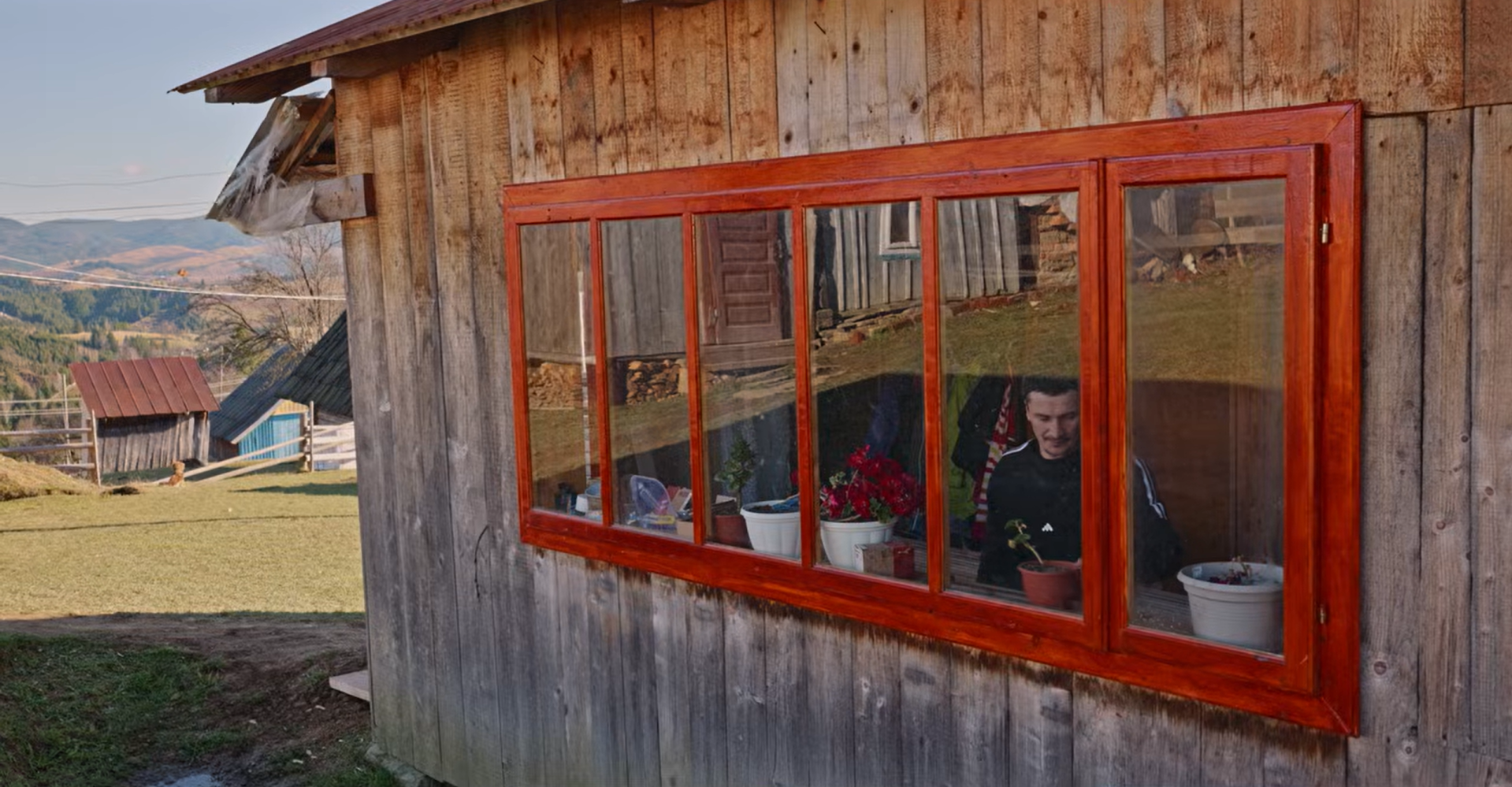
Their home is not a single structure but a small working world. The main house stands alongside a separate kitchen, where meals are prepared on a wood-fired stove. Nearby are sheds for animals, storage for hay, and a cellar dug into the ground to keep food through the long winter months.
Nothing here was built to impress. Everything was built for life.
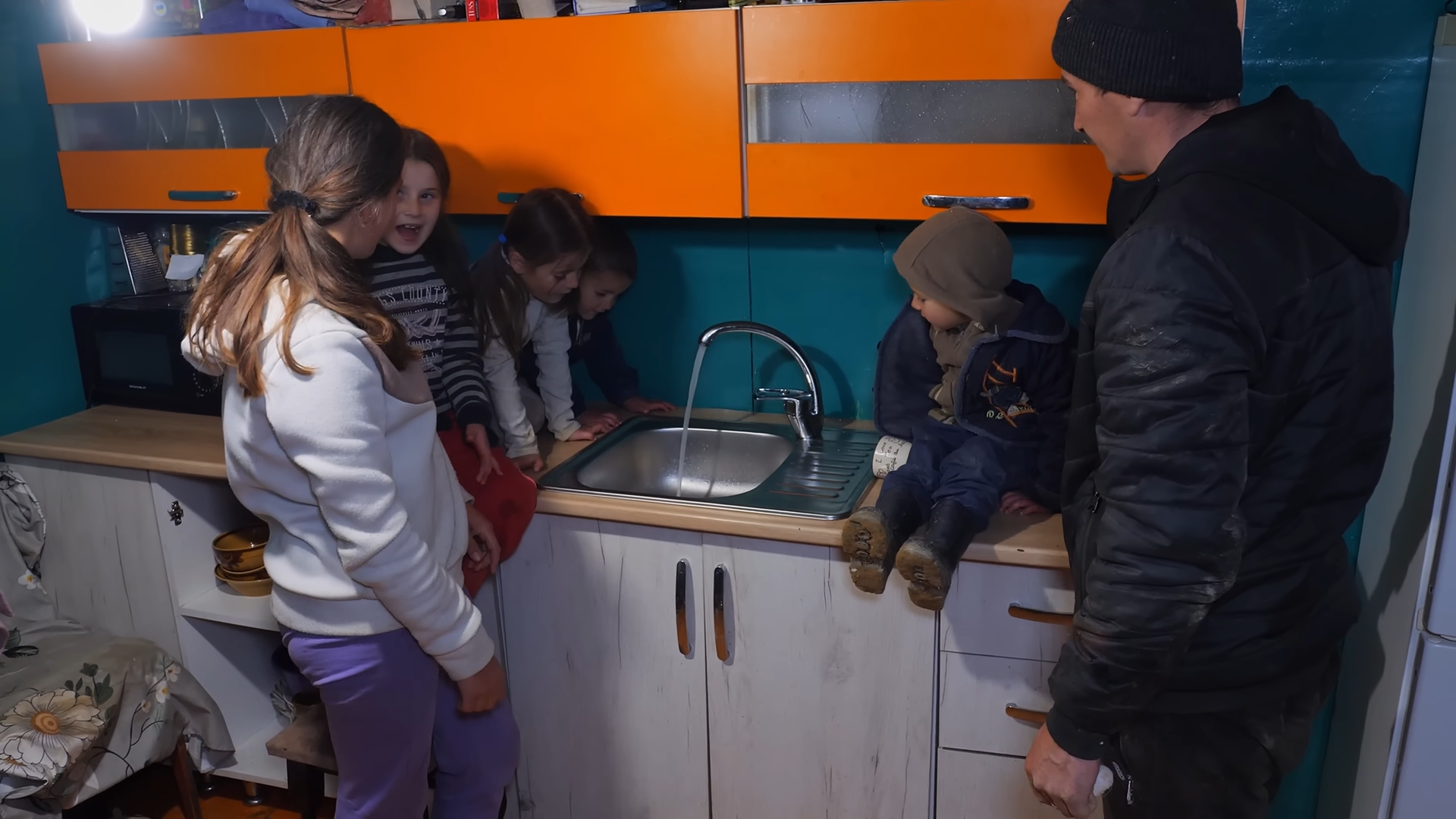
Heat comes from wood. Cooking happens on a stove that warms the room as much as it feeds the family. Water, until recently, had to be carried by hand from a distant mountain source. Only in the past year did they manage to run several kilometers of pipe from that source to the house, installing pumps that finally brought water closer to daily life.
It was not a luxury. It was relief.
Living Mostly from What the Land Provides
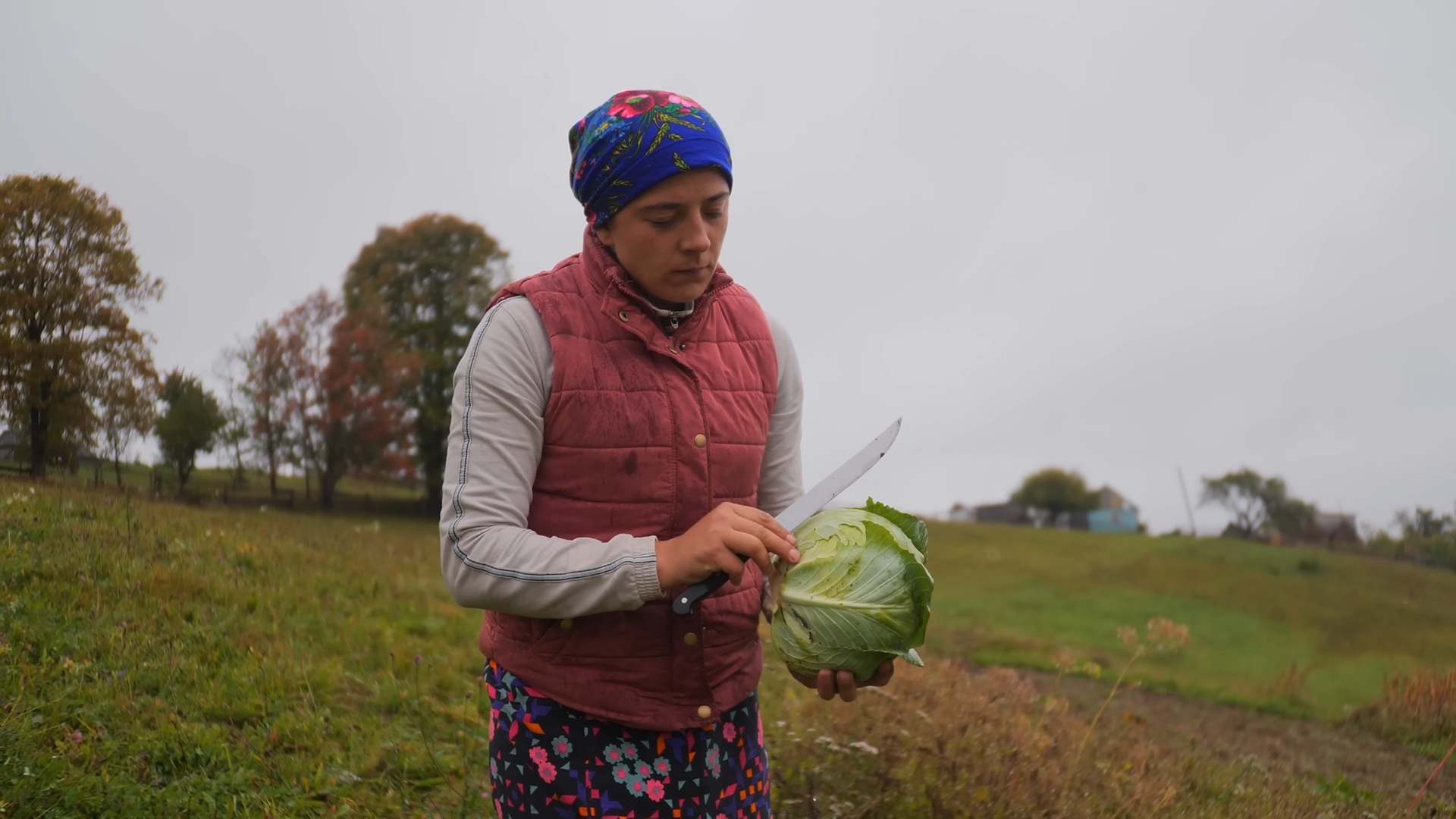
Daily life in Samakova is organized around what can be produced, gathered, or prepared ahead of time.
The family grows vegetables, keeps animals for milk and meat, preserves fruit and vegetables for winter, and gathers mushrooms from the forest when the season allows. Trips to the nearest shop—nearly ten kilometers away on foot—are rare and purposeful. Some weeks they go. Some months they do not.
The shop exists, but it does not define the rhythm of their days.
Food is not chosen from shelves but from what is ready, what has been stored, and what the season permits. This is not presented as a philosophy. It is simply how life functions in a place where convenience is distant and planning is essential.
Children, Distance, and the Shape of a Day
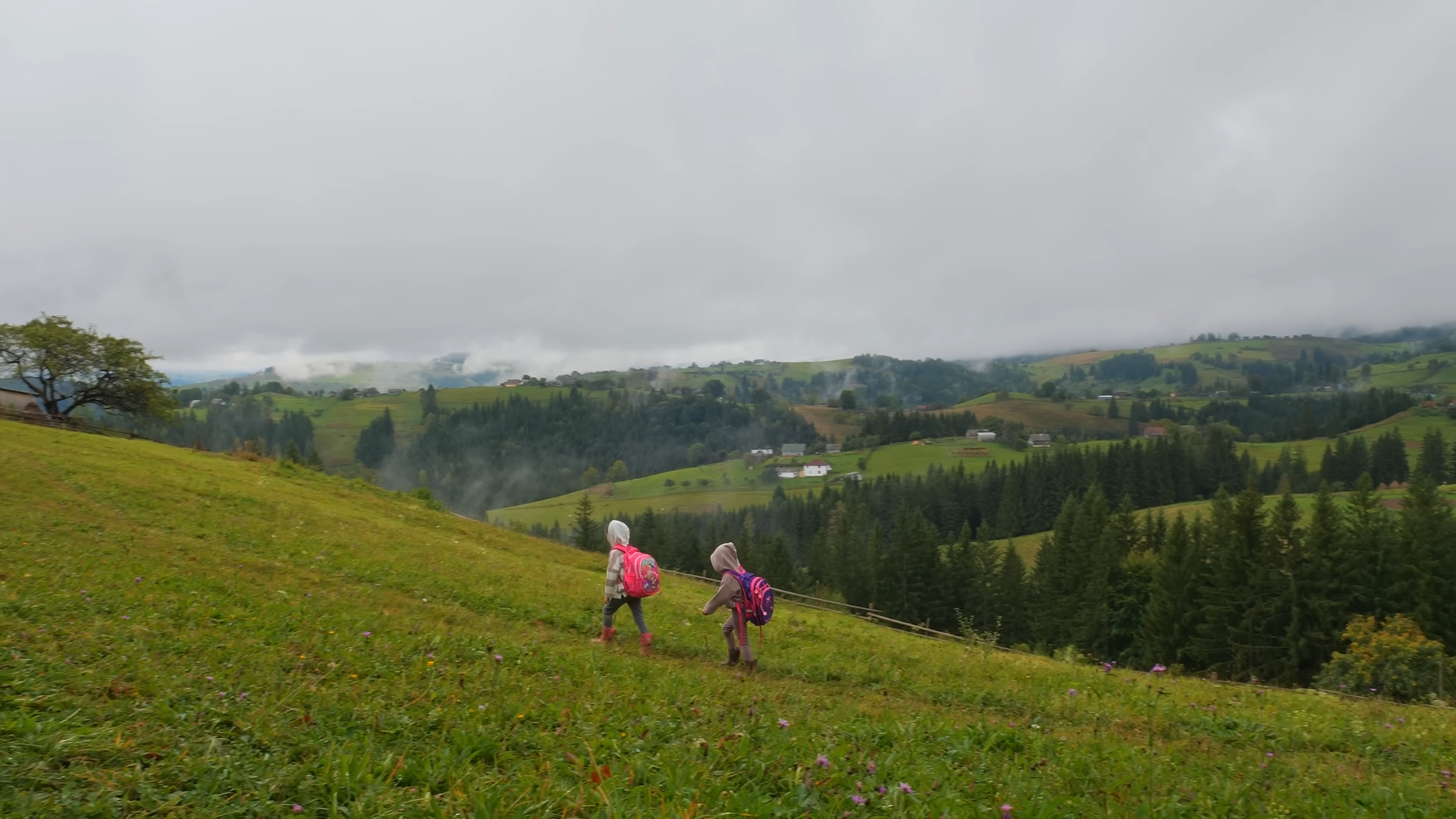
The children attend school in the valley below. Every school day begins with a walk downhill—about five kilometers—and ends with the same climb back up. In winter, the walk is slower and heavier. Snow limits movement. Vehicles are unreliable or impossible. Walking remains the most dependable way to get anywhere.
The children are not isolated. They meet other children at school, many from families living just as spread out across the mountains. But most of their time is spent close to home—outside, helping with small tasks, playing near animals, or simply being present as daily work unfolds around them.
Internet access here is inconsistent. Signals come and go. Screens exist, but they are not central, not because of rules, but because connection itself is uncertain. As a result, childhood looks different. Games are invented rather than downloaded. Time is shared rather than scheduled.
From the outside, this absence of constant connectivity is often misunderstood. From within the village, it barely registers as a loss.
A Life That Was Never Meant to Be Explained
Many people encountering this way of life for the first time try to interpret it using familiar language—hardship, sacrifice, isolation. Questions arise about animals kept close, about dirt on boots, about the distance from shops, doctors, or city streets.
What those questions often miss is context
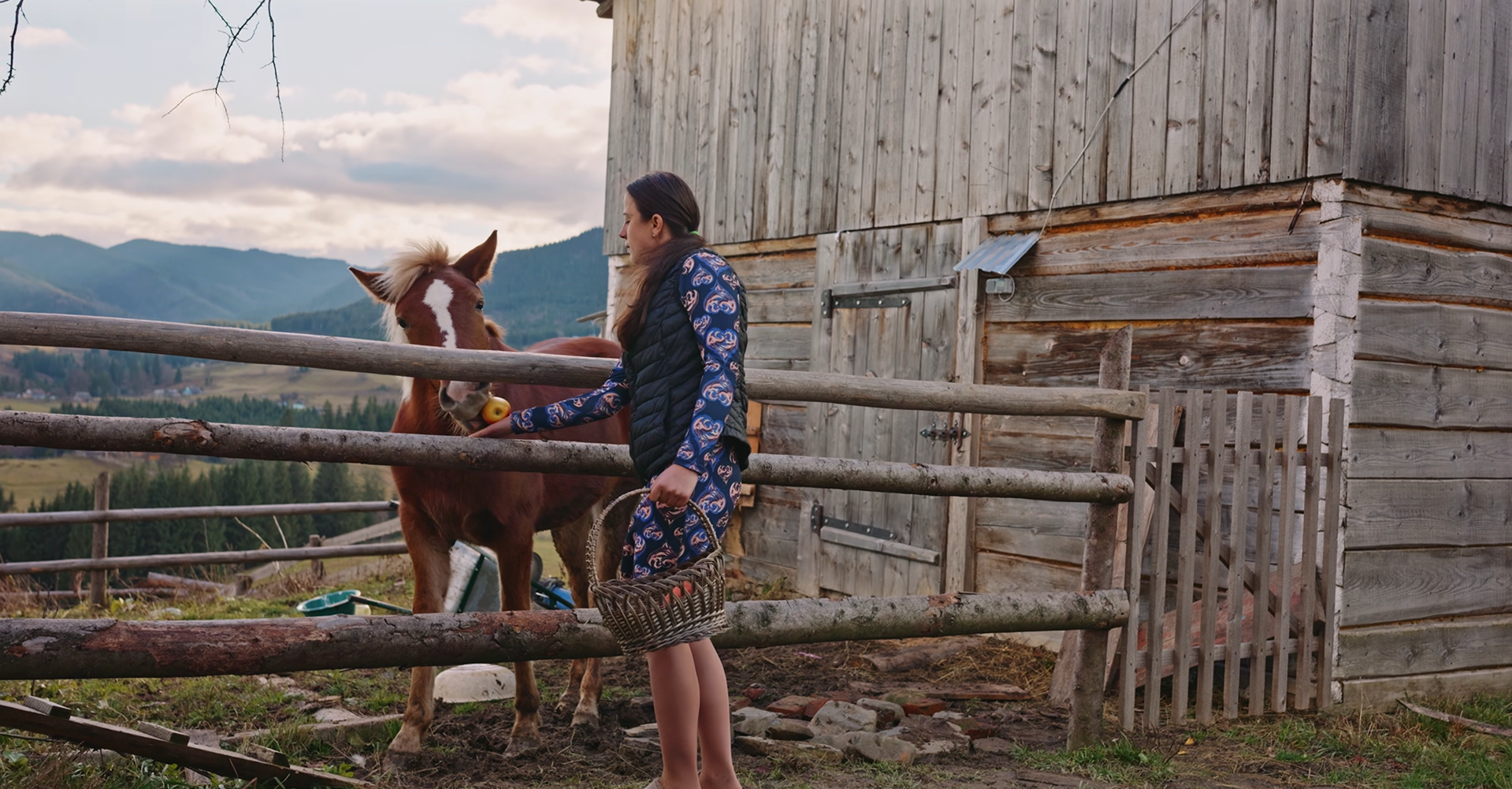
This life is not organized around what is lacking. It is organized around what is necessary. The family is not attempting to preserve a past or reject a present. They are living in a system shaped by land, weather, and habit—one they understand because they grew up inside it.
Silence here is not cultivated. It is simply part of the air.
Work, Weather, and the Reality of Distance
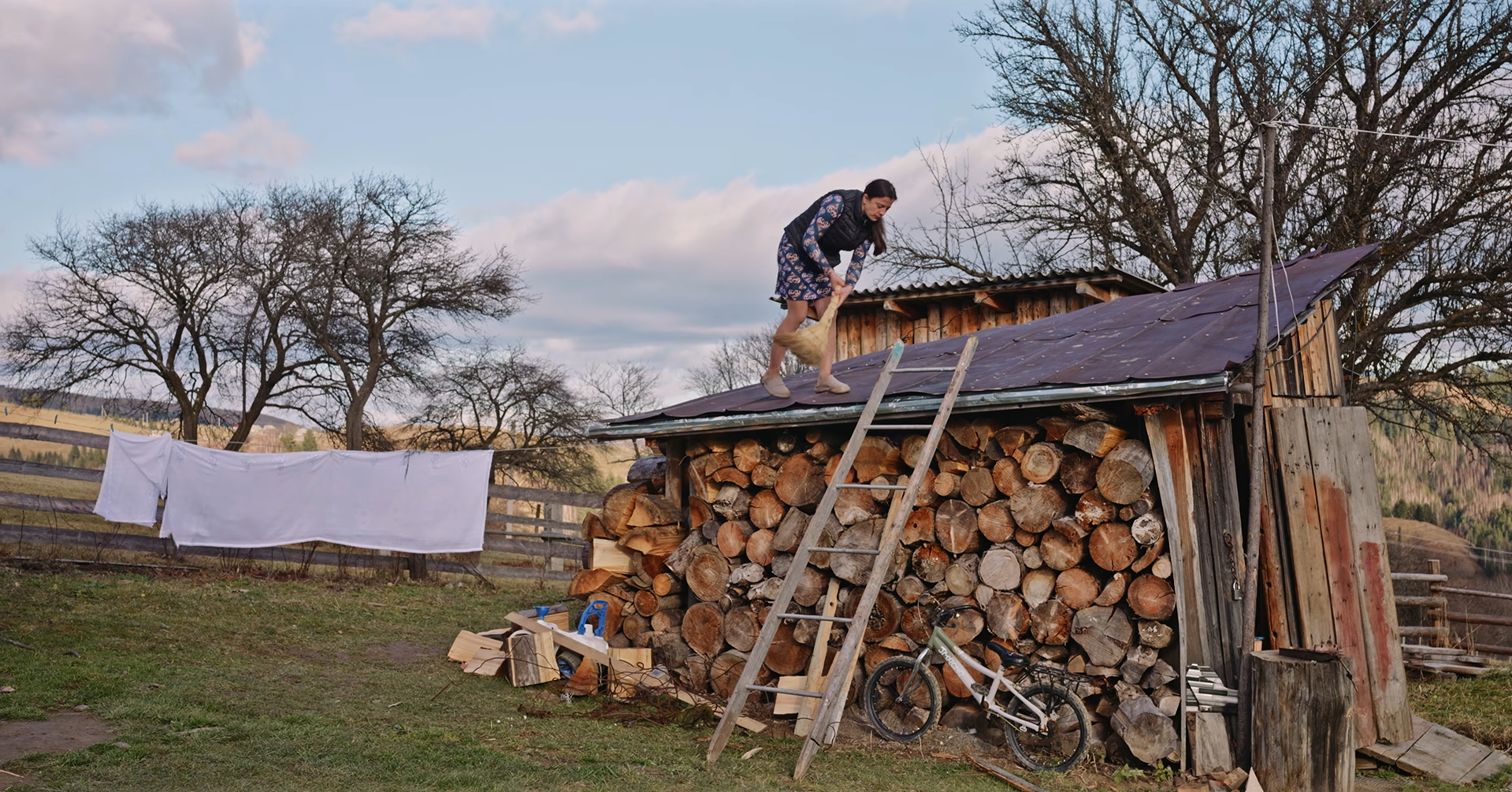
In Samakova, effort is not something you add to life. It is built into it.
Wood must be cut, carried, and stacked long before winter arrives. Food is prepared with an awareness of months ahead, not days. When snow begins to fall heavily, movement slows—not as a problem, but as an adjustment. There are days when leaving the house simply does not make sense. Those days are accepted without frustration.
The family prepares for winter the way previous generations did: by paying attention. Meat is preserved. Vegetables are stored. Jars line shelves in the cellar, each one a small act of foresight. There is no sense of drama around it. This preparation is not survivalism; it is routine.
Distance shapes everything. A trip to the shop requires intention. A visit must be worth the walk. Forgetting something does not result in a quick return—it results in doing without. Over time, this changes how decisions are made. Needs become clearer. Wants become quieter.
From the outside, this distance often looks harsh. From within, it brings a kind of focus that is rare elsewhere.
Children Who Grow Into the Landscape
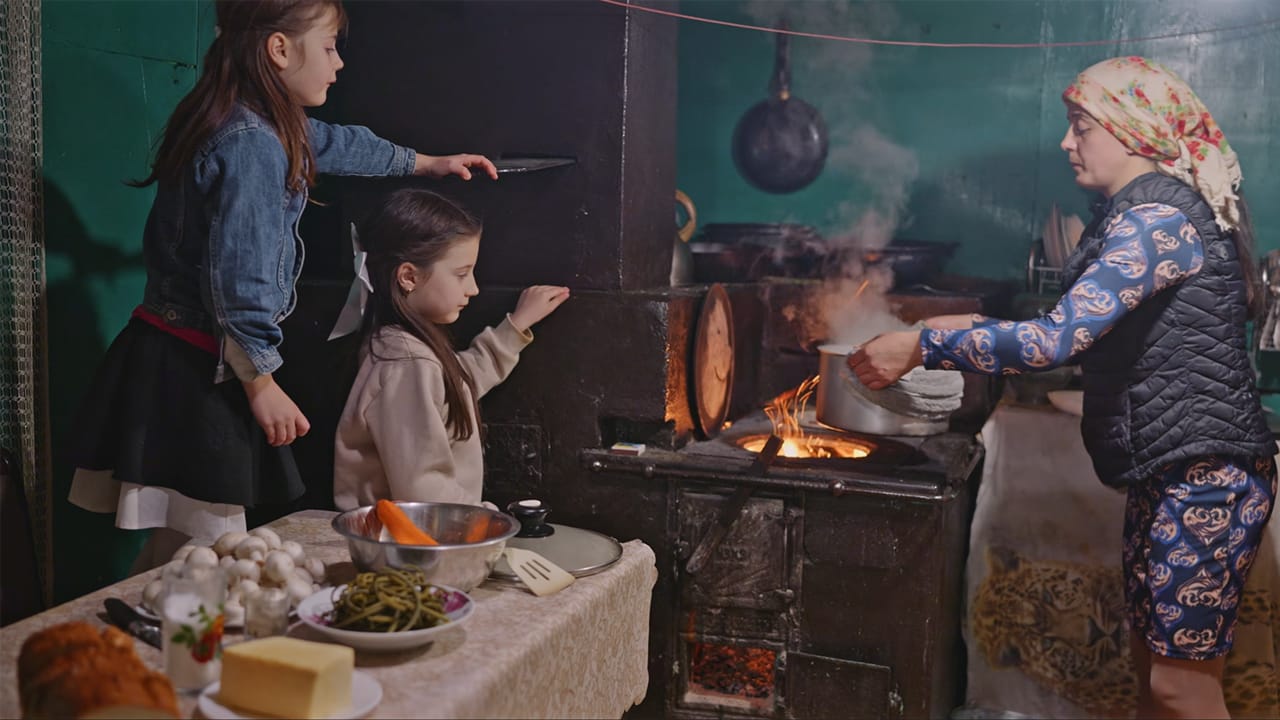
The children move easily through this environment because it is the only one they have known.
They play outside most of the day. Not because it is encouraged, but because it is where life happens. They know the animals by behavior rather than by name. They pull carrots from the soil, brush off the dirt, and eat them without ceremony. They understand weather patterns not as forecasts, but as lived experience.
Helping is not assigned. It is absorbed. Carrying wood, holding a door, feeding animals—these tasks are woven into childhood without being labeled as responsibility or burden.
School exists, homework exists, and evenings often end together, indoors, when darkness settles early. Television and phones are present, but they do not compete well with a day spent moving, walking, watching, and listening.
This is not a romantic childhood. It is a grounded one.
Why Many People Misunderstand This Life
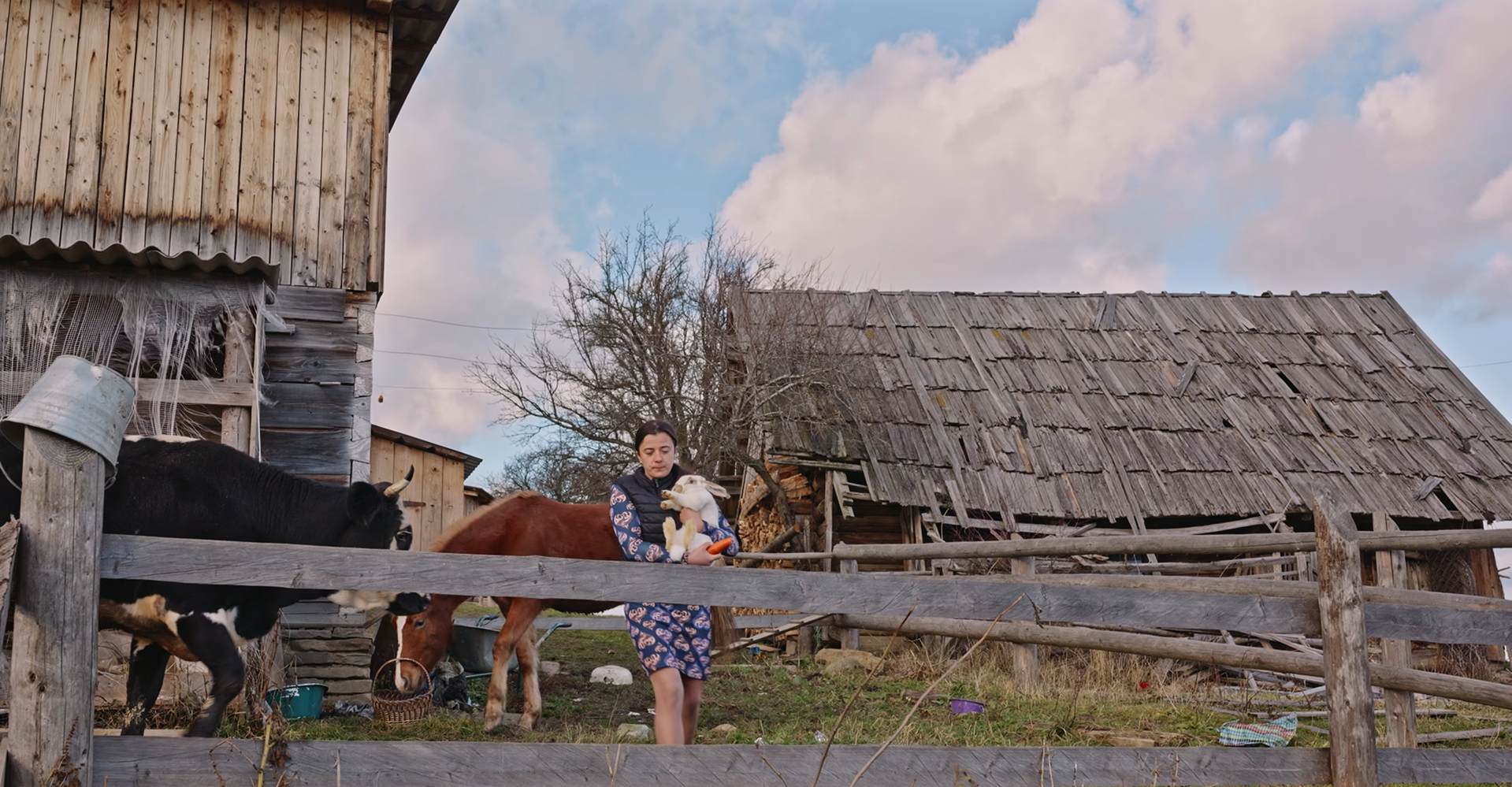
Comments from outside often reveal more about the viewer than the place itself.
Questions about animals, cleanliness, or comfort usually come from unfamiliarity with rural realities. In the mountains, animals cannot be kept according to urban ideals. Predators exist. Space functions differently. Safety takes forms that may look strange to those who have never lived this close to the land.
Judgments are often framed as concern. But concern, without context, becomes distortion.
The family does not feel deprived. The children are healthy. The work is constant but meaningful. There is little separation between living and maintaining life. That separation, so common elsewhere, is mostly absent here.
When the Modern World Quietly Arrived
For many years, life changed very little.
Then, gradually, something new entered—not in the form of technology replacing tradition, but as support easing physical strain. Through sharing their daily life on YouTube, the family gained an income that did not demand relocation or transformation.
With it came changes that mattered: a washing machine, reducing hours of manual labor. Repairs and improvements to the house. Most significantly, the installation of a water system—kilometers of pipe laid from a mountain source, pumps installed, water finally arriving without long walks carrying heavy containers.
These changes did not alter how the family lives. They altered how heavy life feels.
The work remains. The rhythm remains. But the body carries a little less.
A Life That Does Not Ask to Be Judged
This is not a life designed to make a point.
It does not argue against cities, technology, or modern comfort. It does not ask to be copied or admired. It simply exists, shaped by geography, habit, and necessity.
What unsettles many viewers is not the difficulty of this life, but its coherence. Everything fits together. There is little excess. Little noise. Few contradictions.
In a world where speed and constant availability are assumed, a life built around distance, preparation, and shared labor can feel almost confrontational.
But here, it is just normal.
What This Life Quietly Teaches
Watching a family like this often stirs something deeper than curiosity. It raises questions that have little to do with mountains or distance and everything to do with the way modern life feels.
Many people who encounter this story are not looking to move to a remote village. They are looking for relief. For evidence that life does not have to be lived at a constant pitch. For proof that children can grow without being managed every hour, that work can be physical without being dehumanizing, and that a home can function without constant consumption.
What this family offers is not a solution, but a contrast.
Their days are shaped by weather instead of notifications. Their evenings end when light fades, not when a feed runs out. Their work is visible, tangible, and finished when the task is done. There is no sense of being perpetually behind.
This does not make their life easier. It makes it legible.
The modern world often asks us to hold too many abstractions at once—deadlines, updates, expectations, distant problems. In Samakova, the scope of attention is narrower. That narrowness is not limitation; it is protection.
A Quiet Question for the Rest of Us
This story does not suggest that everyone should live this way. Most cannot, and many would not want to.
But it does offer a question worth sitting with:
What parts of your life are truly necessary, and which ones simply arrived without being examined?
The family in the mountains did not simplify in order to find meaning. Meaning emerged because their life never became overly complex in the first place.
That distinction matters.
The Space Between Watching and Living
It is easy to observe this life as something distant, something almost timeless. But it exists in the same world as the rest of us. The same seasons pass. The same uncertainties remain. The difference lies in how much noise fills the space between moments.
Here, that space is left mostly empty.
For those who feel overwhelmed by constant input, this emptiness can feel unsettling at first. And then, slowly, it begins to feel like room to breathe.
Watch the Full Story
If you would like to spend more time with this family and see their life as it unfolds day by day, the full video is available here:
Watch the full video on YouTube
Sometimes, watching quietly is enough to remind us that another rhythm exists—one that has not disappeared, only grown harder to notice.